Autumn half-term 2026
Flanders
–
Autumn half-term
The autumn half-term 2026 runs from 31 October to 8 November.
The autumn break in Flanders usually lasts one week, typically the last week of October or the first week of November. It is a short but welcome rest halfway through the first trimester.
After seven to eight weeks of intensive classes, students need a breather. The break coincides with the end of daylight saving time, marking the transition into the darker months.
For many families, it is also an ideal moment to review the first school results and make adjustments where needed.
Activities during the autumn half-term
Plopsaland and Walibi are popular choices, especially thanks to their Halloween events featuring haunted houses and costume parties. Rainy days invite museum visits, indoor playgrounds, or a cinema afternoon.
Many cities also organise autumn activities such as pumpkin markets and craft workshops. Technopolis in Mechelen offers interactive science workshops for children.
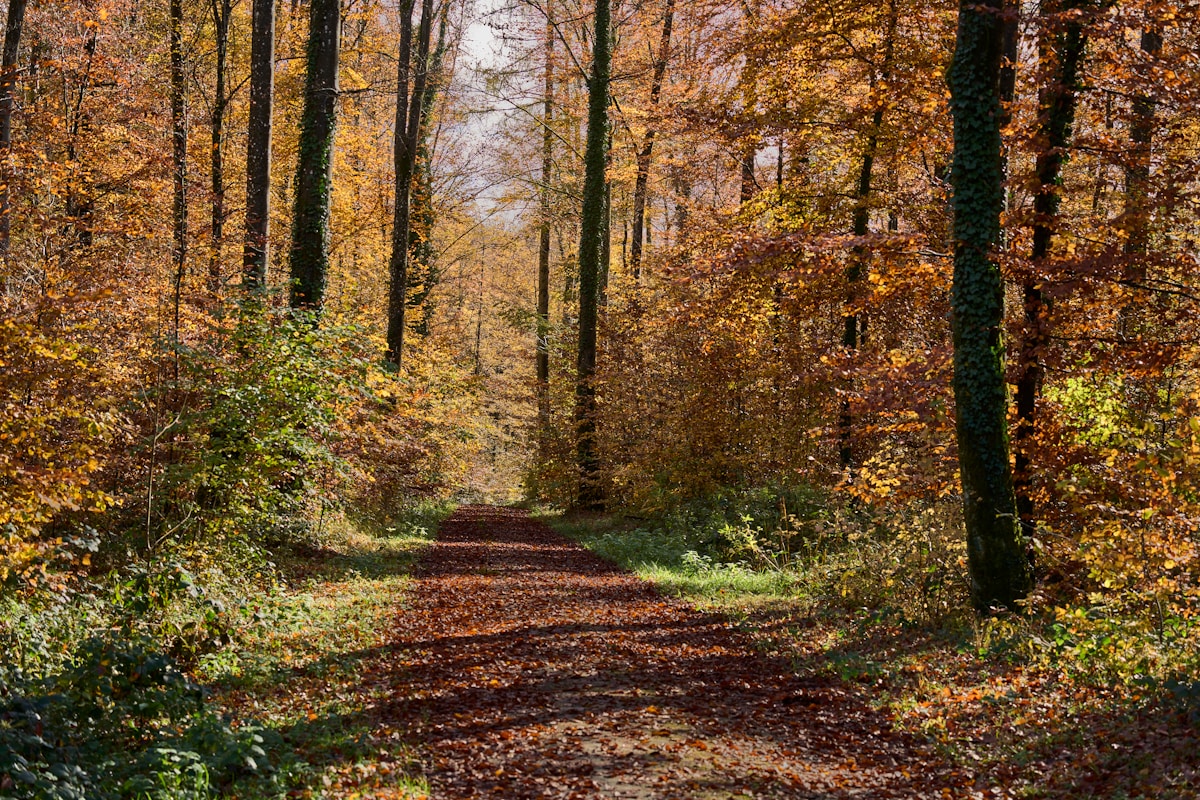
The Ardennes are stunning in autumn colours and ideal for a day hike through beech and oak forests. Nature lovers can also visit the Zwin Nature Park for the annual bird migration.
Practical info about the autumn half-term
Childcare and sports camps often offer autumn programmes for working parents. Public transport runs on the normal weekly schedule, but busy trains towards the coast or the Ardennes can be expected on nice days.
Most Flemish municipalities organise play areas or creative workshops for children aged 6 to 12. Registration usually happens through the municipality website, but popular camps fill up quickly.
It is wise to book as early as September, especially for childcare in larger cities like Antwerp or Ghent.
Did you know this about the autumn half-term?
In Wallonia-Brussels, the autumn break has lasted two weeks instead of one since the 2022-2023 school year. This is due to the introduction of a 7-week cycle that distributes holidays more evenly.
Flanders deliberately chose not to adopt this reform and sticks with the traditional one-week break. As a result, bilingual families or families with children in different school systems may face mismatched holiday periods.
This difference is unique in Europe, where neighbouring countries typically follow the same calendar.