Autumn half-term 2027
Wallonia-Brussels
–
Estimated dates - verify with official sources before use.
Autumn half-term
The autumn half-term 2027 runs from 23 October to 7 November.
Since the 2022-2023 school reform, the autumn break in Wallonia-Brussels lasts two weeks instead of one. This change is part of a cycle of seven weeks of classes followed by two weeks of holiday.
The principle is based on chronobiology research showing that students noticeably lose performance after six to seven weeks of classes. By introducing more regular rest periods, the FWB aims to improve both well-being and academic results.
Early assessments after the reform show predominantly positive reactions from parents and teachers.
Activities during the autumn half-term
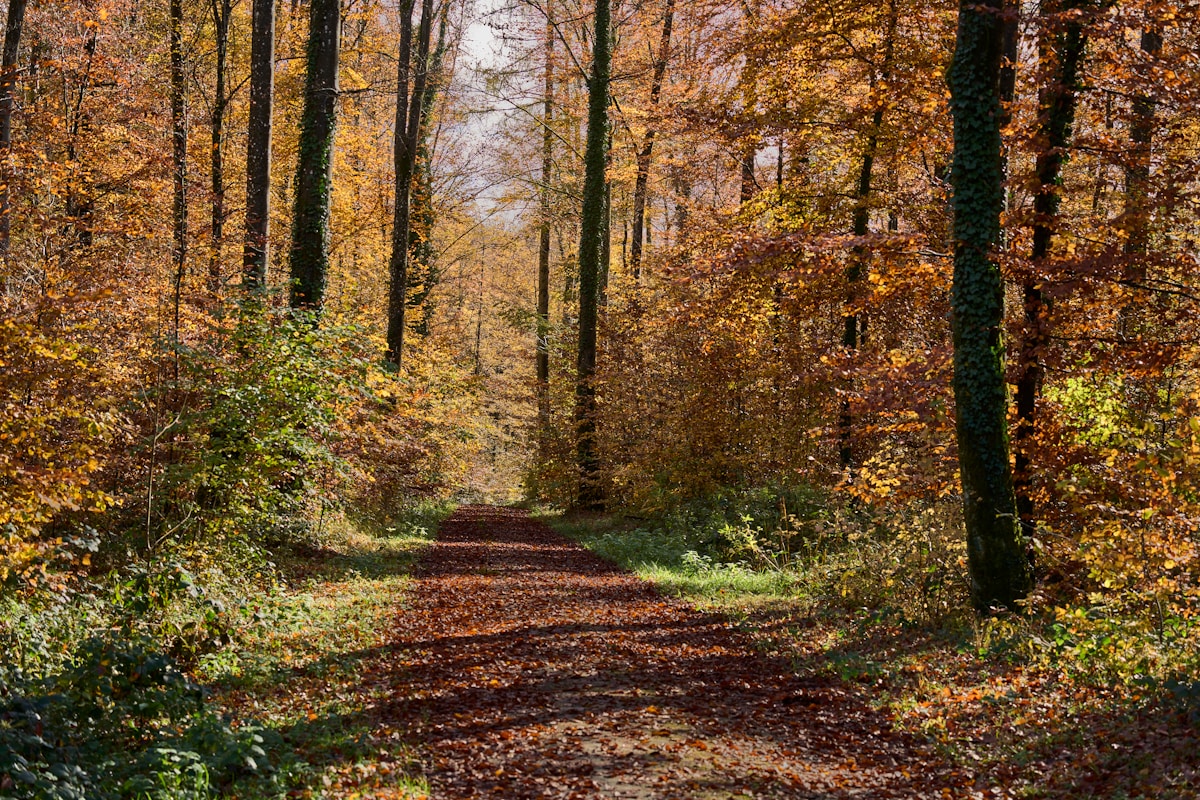
Walibi offers Halloween evenings that are particularly popular with teenagers, featuring scary attractions and themed decor. Brussels and Walloon museums organise children's workshops, and the Ardennes offer beautiful autumn hikes amid colourful foliage.
The AfricaMuseum in Tervuren and the Museum of Natural Sciences in Brussels are top picks for families. With two weeks of holiday, there is also room for a short stay at a holiday park or a visit to the Caves of Han.
Many Walloon municipalities also organise local autumn festivals showcasing regional produce and crafts.
Practical info about the autumn half-term
Two-week sports and creative camps have multiplied since the reform. Public transport runs normally, but trains to major cities and the coast can be busy.
The doubling of the break has led to a wider range of camps, from coding and robotics to theatre and cooking. Working parents can check with their health insurance fund or CPAS about possible subsidies for holiday camps.
Many organisations also offer flexible options where children can participate on a weekly basis.
Did you know this about the autumn half-term?
The 2022-2023 reform redistributed holiday days: summer was shortened by two weeks, compensated by longer autumn and carnival breaks. The goal is to better respect students' learning rhythms.
The reform was the result of years of discussion and a working group established in 2019. The new rhythm is inspired by the French model, where the All Saints' holiday has been two weeks long for much longer.
Education experts emphasise that shorter but more frequent breaks are more effective than an extremely long summer pause.