Christmas
Historical Context
Christmas falls on 25 December every year and is one of the 10 official public holidays. Note: 26 December (Boxing Day) is not an official public holiday.
Christmas on 25 December dates back to the fourth century. The early Christian church linked the birth of Jesus to existing midwinter celebrations such as the Roman Saturnalia and the Germanic Yule. The Christmas tree is a surprisingly recent addition: it only crossed over from Germany in the 19th century, initially as an upper-class fashion. Today, Christmas is primarily a family celebration for most people, regardless of religious background.
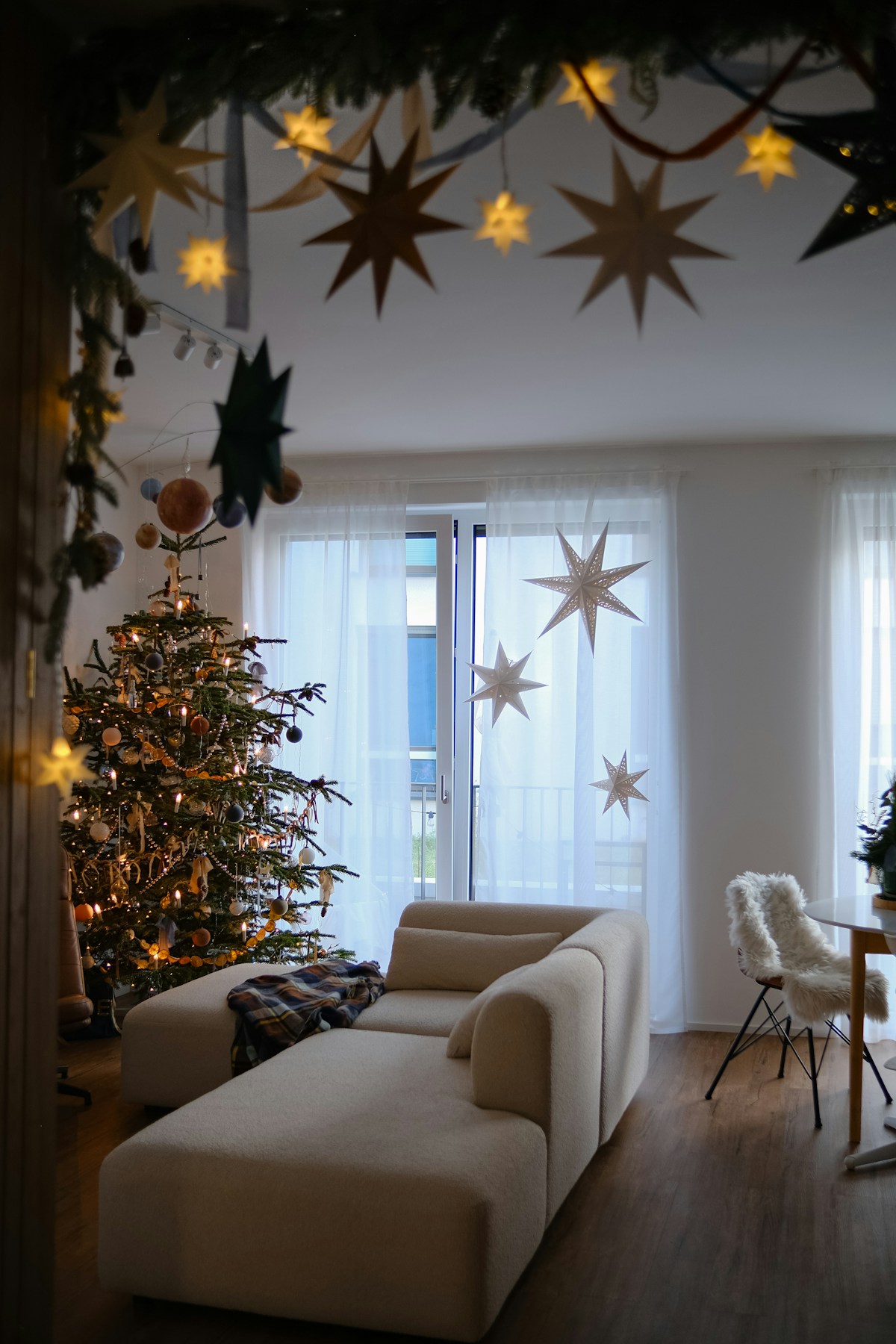
Christmas dinner, unwrapping presents and decorating the tree form the heart of the Belgian Christmas celebration. Whether this happens on Christmas Eve or Christmas morning varies by family. In the German-speaking Community, it is not Father Christmas but the Christkind (Christ Child) who brings gifts, accompanied by candlelit carols. Christmas markets play an important role in the festive build-up: Brussels' Winter Wonders, Ghent's Winter Festival and Liège's Village de Noël together draw millions of visitors.
Regional Traditions
Brussels
Winter Wonders on the Grand Place attracts over 4 million visitors annually and is one of the largest Christmas markets in Europe. The Christmas tree is a gift from a different European city each year.
Flanders
Ghent Winter Festival and the Bruges Christmas market are popular attractions. In many Flemish families, gifts are exchanged on Christmas morning after a festive breakfast.
Wallonia
The Village de Noël in Liège along the Meuse is the largest Christmas market in Wallonia. In many Walloon families, Christmas Eve dinner is the highlight, featuring game and bûche de Noël for dessert.
East Belgium
In the German-speaking Community, it is not Santa Claus but the Christkind who brings gifts. The celebration often takes place on Christmas Eve, by candlelight with traditional Christmas carols.
Liège
Bouquettes are traditional buckwheat flour pancakes with raisins, served with Liège syrup. The tradition dates from the 18th century and is observed throughout the province of Liège from Christmas Eve to Candlemas.